Biodiversity in England and Wales: Why We Are Facing a Nature Crisis and How We Can Bring Our Communities With Us
England and Wales are facing a biodiversity crisis that affects wildlife, communities, and the systems we rely on. Discover why nature recovery matters, what is driving biodiversity loss, and how we can build public support for protecting and restoring the natural world.
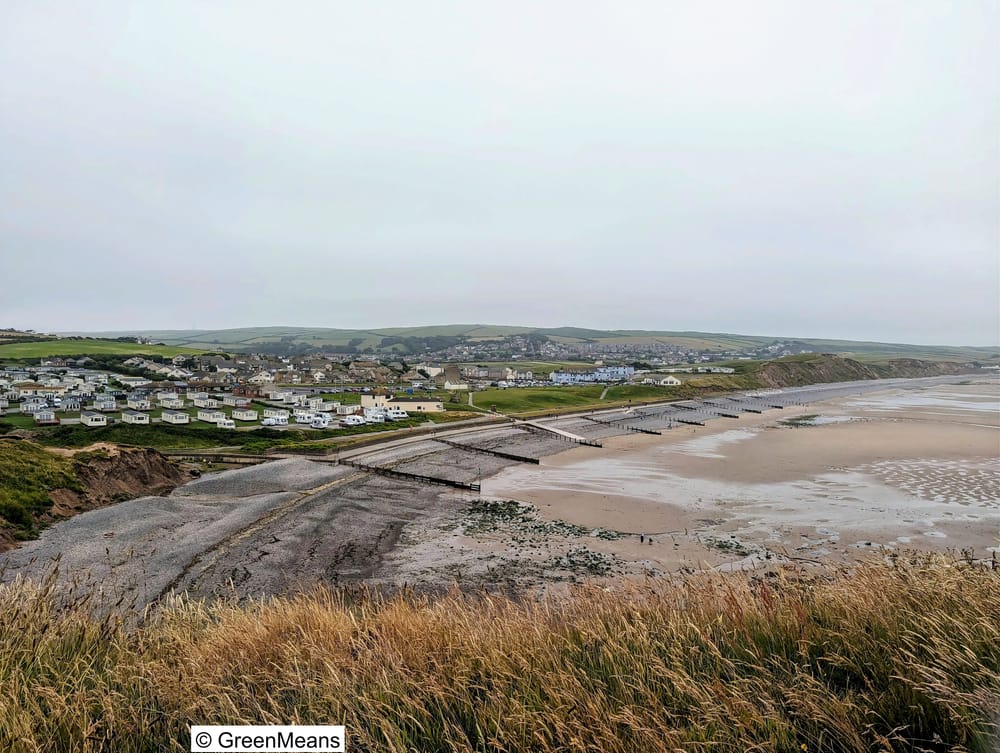
Biodiversity in England and Wales: Why We Are Facing a Nature Crisis and How We Can Bring Our Communities With Us
Across England and Wales, signs of a biodiversity crisis are becoming increasingly difficult to ignore.
Once-common species are declining. Wildflower meadows have largely disappeared from the landscape. Rivers face pollution pressures. Insects that play essential roles in pollination are struggling. Habitats that evolved over centuries are being fragmented, degraded, or lost altogether.
For many people, biodiversity can feel like an abstract environmental term, something discussed by scientists, conservationists, or policymakers. In reality, biodiversity is not a niche concern. It is the living foundation upon which our food systems, water supplies, local economies, and communities depend.
The challenge facing England and Wales is not simply ecological. It is also social. Protecting biodiversity will require more than legislation, conservation projects, or government targets. It will require winning hearts and minds across communities, helping people understand that nature recovery is not about preserving something separate from human life, but about protecting the systems that support it.
What Is Biodiversity?
Biodiversity refers to the variety of life on Earth.
This includes plants, animals, fungi, microorganisms, and the ecosystems they form. Biodiversity exists at multiple levels, from genetic diversity within species to the diversity of habitats across landscapes.
A healthy ecosystem is rarely defined by a single species. Instead, it depends on thousands of interactions occurring simultaneously. Pollinators support crops. Predators help maintain ecological balance. Soil organisms recycle nutrients. Wetlands filter water. Trees provide habitat, capture carbon, and regulate local temperatures.
These relationships form complex networks that have developed over millions of years.
When biodiversity declines, those networks become weaker and less resilient.
The State of Nature in England and Wales
The United Kingdom is often described as one of the most nature-depleted countries in the world.
Decades of habitat loss, intensive agriculture, urban expansion, pollution, invasive species, and climate change have placed significant pressure on wildlife populations.
Ancient woodlands cover only a small fraction of their historical extent. Traditional meadows, once common across the countryside, have almost vanished. Rivers and waterways continue to face challenges from pollution and habitat modification.
Many species that were once familiar sights in towns, villages, and rural areas have experienced substantial declines.
Perhaps most concerning is that biodiversity loss often occurs gradually. Unlike dramatic environmental disasters, ecosystems can deteriorate slowly over decades, making changes less visible from year to year.
A generation may grow up without realising how much nature has already been lost.
This phenomenon is sometimes called "shifting baseline syndrome". Each generation tends to view the environment they inherit as normal, even if it is significantly degraded compared with previous generations.
Why Biodiversity Matters to Everyone
Conservation is sometimes portrayed as a luxury issue, relevant only after economic concerns have been addressed.
The reality is quite different.
Biodiversity underpins many of the systems that make modern life possible.
Pollinating insects contribute to food production. Healthy soils support agriculture. Wetlands reduce flooding. Woodlands help regulate water cycles. Diverse ecosystems are often more resilient to disease, extreme weather, and environmental change.
Human health also benefits from nature. Access to green spaces has been associated with improved physical activity, mental wellbeing, and community cohesion.
When biodiversity declines, the consequences extend beyond wildlife. Communities become more vulnerable to environmental and economic shocks.
Nature is not separate from society. It is part of the infrastructure that supports it.
The Challenge of Public Engagement
Despite the importance of biodiversity, public engagement remains one of the greatest challenges facing conservation efforts.
Many people care about nature. Surveys consistently show strong public support for environmental protection. Yet biodiversity often struggles to compete with more immediate concerns such as housing, healthcare, employment, and the cost of living.
Part of the problem lies in communication.
Environmental discussions can sometimes focus heavily on statistics, targets, and warnings. While these are important, they do not always create emotional connections.
People are often motivated by places they know, species they recognise, and experiences they value.
A discussion about ecosystem services may feel distant. A discussion about the disappearance of hedgehogs from local gardens feels much closer to home.
Winning support for biodiversity requires connecting ecological issues to everyday life.
Moving Beyond Doom and Gloom
The biodiversity crisis is serious. However, fear alone is rarely an effective long-term motivator.
People can become overwhelmed by constant messages of decline and loss. When environmental challenges seem impossible to solve, disengagement often follows.
This does not mean ignoring the scale of the problem. It means pairing honesty about challenges with realistic pathways for action.
Communities are more likely to support nature recovery when they can see positive outcomes.
A restored wetland that reduces flooding. A community orchard that provides a shared green space. A school wildlife garden that introduces children to local species. These examples demonstrate that environmental action can deliver tangible benefits.
Hope is most effective when it is grounded in practical achievements rather than abstract promises.
Making Biodiversity Local
One of the most powerful ways to build support for nature recovery is to make it local.
People care deeply about places they know.
National statistics about biodiversity decline matter, but local stories often resonate more strongly. Residents are more likely to engage when discussions focus on their local park, river, woodland, or neighbourhood rather than distant ecosystems.
Community-led projects can play an important role here.
Local wildlife surveys, habitat restoration initiatives, citizen science programmes, and neighbourhood planting projects allow people to become active participants rather than passive observers.
Participation creates ownership. Ownership encourages long-term support.
This principle applies equally in cities, towns, and rural communities.
Nature recovery is not confined to national parks and nature reserves. Urban green spaces, roadside verges, gardens, school grounds, and community allotments can all contribute to biodiversity.
Framing Nature as a Shared Community Asset
One reason biodiversity conversations sometimes struggle is that they are framed primarily as environmental issues.
While biodiversity is certainly an environmental issue, it is also an economic issue, a public health issue, an education issue, and a community resilience issue.
When communities understand these connections, support often broadens.
A healthy river is not only valuable for wildlife. It can reduce flood risks, improve recreation opportunities, and contribute to local wellbeing.
Urban trees do not merely support biodiversity. They provide shade during heatwaves, improve air quality, and make neighbourhoods more pleasant places to live.
Nature recovery becomes easier to support when it is seen as an investment in community wellbeing rather than a competing priority.
The Role of Education
Education remains one of the most important tools for long-term biodiversity recovery.
Many people have limited opportunities to interact with nature in their daily lives, particularly in densely populated urban areas.
Schools, community groups, libraries, local authorities, and environmental organisations all have important roles to play in improving ecological literacy.
Understanding local species, ecosystems, and environmental challenges helps build appreciation for the natural world.
Importantly, education should not simply focus on problems. It should also cultivate curiosity, wonder, and connection.
People are more likely to protect what they understand and value.
Building a Nature-Positive Future
The biodiversity crisis facing England and Wales is real, and the scale of the challenge should not be underestimated.
However, history shows that environmental recovery is possible.
Species can return when habitats are restored. Rivers can recover from pollution. Communities can transform neglected spaces into thriving ecosystems. Landscapes can become richer, healthier, and more resilient.
Achieving this will require action from governments, businesses, landowners, conservation organisations, and individuals alike.
Yet policies alone will not be enough.
Long-term success depends on building public support and community participation. Biodiversity recovery must become something people feel connected to rather than something done on their behalf.
A Shared Responsibility
The future of biodiversity in England and Wales will be determined not only by environmental policy but by public engagement.
Winning hearts and minds means moving beyond technical language and connecting nature recovery to the places, experiences, and values people already care about.
It means recognising that biodiversity is not an optional extra. It is part of the living infrastructure that supports food production, clean water, healthy communities, and resilient economies.
Most importantly, it means showing that nature recovery is not a story of inevitable decline. It is a story that communities can actively help shape.
The biodiversity crisis is one of the defining challenges of our time. Meeting it will require ambition, cooperation, and long-term thinking. But if communities across England and Wales embrace the task together, the future of nature need not be one of loss. It can be one of recovery, renewal, and shared stewardship of the living world around us.
Subscribe to GreenMeans: Blog
Join our sustainable digital ecosystem and receive thoughtful publications directly to your inbox.
Sign Up Now
Member Discussion